26Feb

his blog explores the benefits of both raw food and high-quality kibble diets for dogs, helping owners choose the best option for their pet’s needs. It explains how a well-balanced raw diet can support muscle strength, dental health, digestion, and coat condition when properly prepared, while also highlighting the convenience and complete nutrition offered by premium kibble such as Green Pantry. The article discusses recipe options tailored to specific health needs and recommends supportive supplements from Dorwest to maintain overall wellbeing. Readers are also directed to further guidance from a canine dietician to make informed, balanced feeding choices for their dogs

Which Option is Right for Your Dog?

First - Why Raw Food Can Be Good for Dogs?

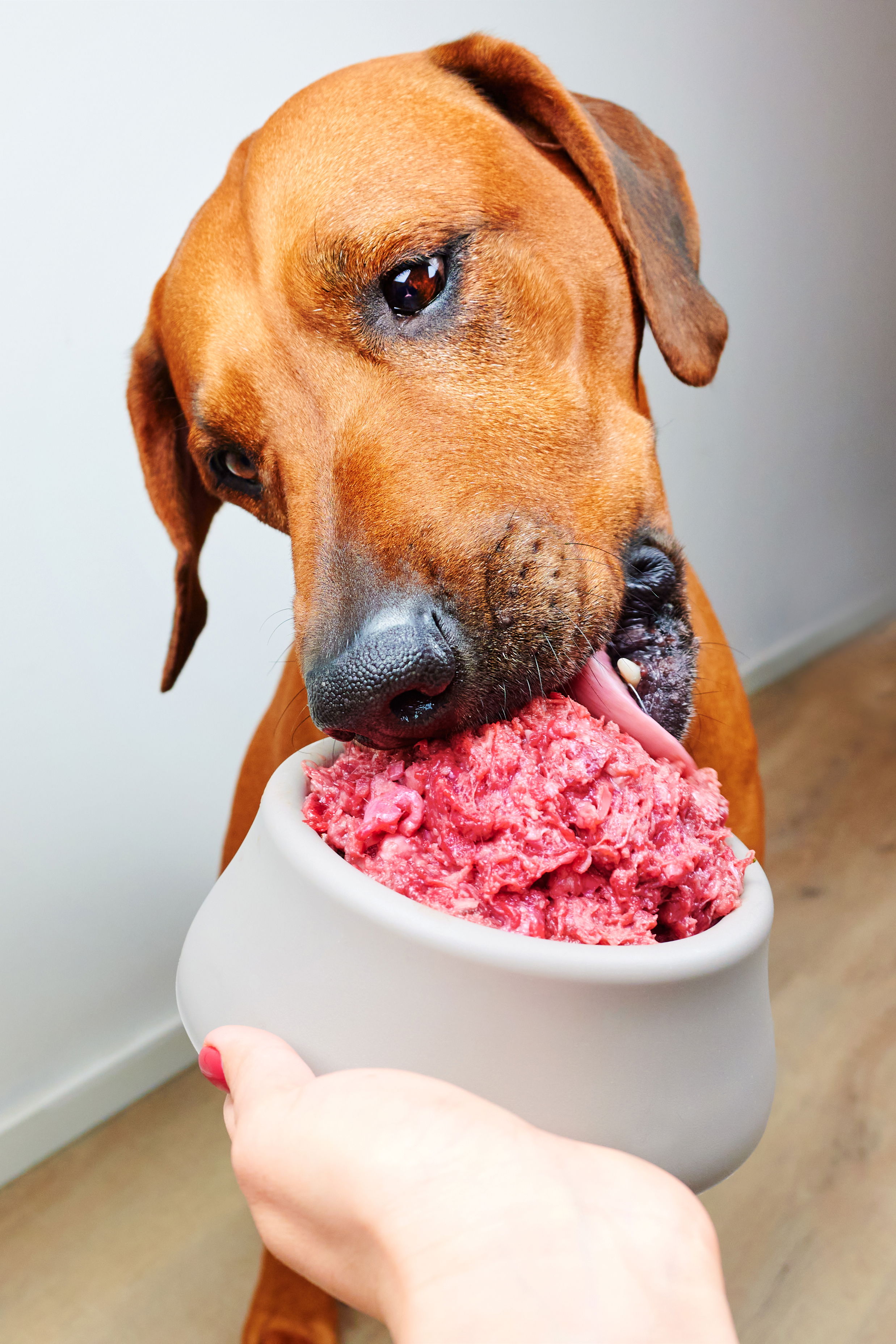
A well-balanced raw diet is often chosen because it closely mirrors what dogs’ ancestors ate in the wild. Raw food is typically made with fresh meat, bones, and organs, which can help support strong muscles, healthy teeth, and good digestion. Many owners notice shinier coats, cleaner teeth, and smaller, firmer stools when feeding raw. Because raw diets are usually minimally processed, they can retain more natural nutrients and enzymes that support overall health—when properly formulated and handled safely.

If you're considering feeding your dog on a Raw food diet you can read more with tips from Houndsy on how to start your dog on raw food below. 

How to Start Your Dog on Raw Food: A Comprehensive Guide for Pet Owners | Houndsy

When Feeding Raw Food additional supplements such as Easy Greens  from Dorwest (The formulation delivers iron, vitamin C, chlorophyll, calcium, magnesium and antioxidants to support general wellbeing, immune health and vitality, and it is often used to help calm hot, itchy or irritated skin thanks to its naturally cooling properties.)

& Keepers Mix also from Dorwest are  recommended to help keep your Dog in optimal condition, by supporting everyday wellbeing and maintaining overall vitality, as well as supporting coat condition, skin comfort for irritated or itchy skin.


Why a Good Quality Kibble Is Good for Dogs

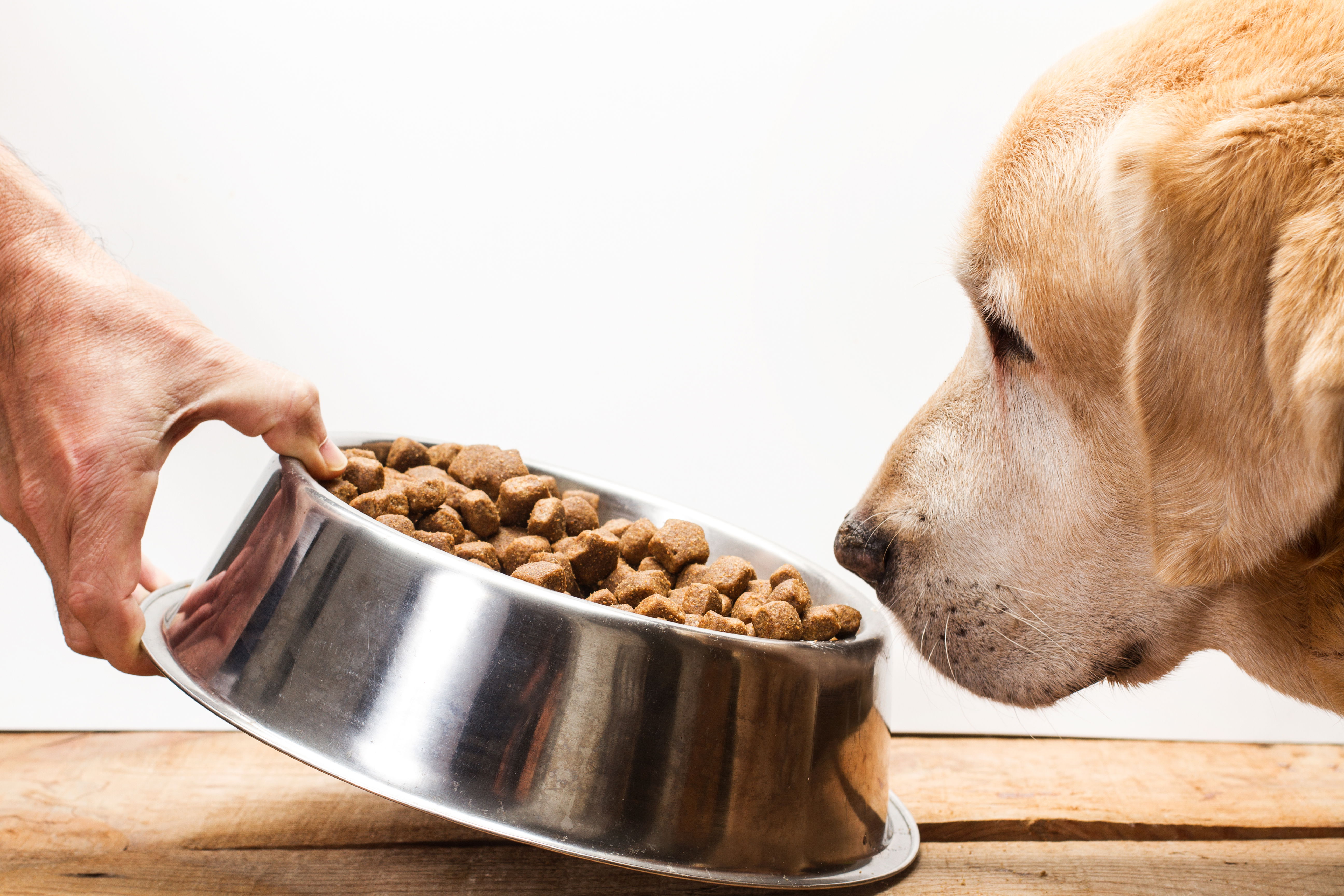
High-quality kibble such as Green Pantry offers a convenient, complete, and consistent source of nutrition for dogs. Reputable brands carefully formulate their recipes to meet dogs’ nutritional needs, ensuring the right balance of protein, fats, carbohydrates, vitamins, and minerals in every meal. 

Green Pantry kibble has generous portions of fresh, freshly prepared ingredient's, prepared as they would be in your own kitchen before cooking.  Their food offers natural holistic recipes which are free from artificial additives. The fresh meat and fish recipes provide high-quality protein along with the recipes that are packed with healthy botanicals and herbs. Their recipes have been carefully prepared to deliver support for different dogs needs and will assist with certain conditions. 

With tasty recipes like

Lamb and Cranberry - which aids joint health and mobilty

Chicken with Pumpkin and Apple - which supports coat and skin

Duck, Turkey with Sweet Potato and Blueberry - which supports dogs with anxiety

White Fish, Kale and Beetroot  - which supports weight loss and weight control 

Dogs thrive on this healthy kibble, and with the added benefits of helping your dog with conditions you have been struggling to help them with, its no wonder it is so popular with clients and their adorable 4 legged friends.

When Feeding either Raw Food or Kibble additional supplements are recommended, such as Easy Greens  (The formulation delivers iron, vitamin C, chlorophyll, calcium, magnesium and antioxidants to support general wellbeing, immune health and vitality & Keepers Mix  a traditional natural herbal supplement formulated for both dogs and cats helps maintain overall vitality, supporting coat condition, skin comfort, digestion.

Both are  recommended to help keep your Dog in optimal condition.

You can read more about a healthy approach to raw, home cooked, mixed or a kibble diet, from the

Canine  Dietician Here


I hope you have found this information helpful and look forward to receiving your feedback


20Sep

I Am A Canine Wellness and Preventive Health Advisor Currently Working Towards My Diploma For Holistic Health for Dogs

I would like to share some information with owners about how they can help their beloved pets the natural way.

  When we think about our dogs’ health, many of us focus on food, exercise, and vet check-ups. While these are essential, there’s a growing awareness that our pets, just like us, benefit from a holistic approach to health. Holistic pet care not only the considers the physical needs of your dog, but also their emotional well-being, environment, and overall lifestyle.

What Does Holistic Health Mean for Dogs?

Holistic health looks at your dog as a whole being. It goes beyond treating symptoms to explore the root causes of imbalances, aiming to create harmony in body, mind, and spirit. Instead of a “quick fix,” holistic care encourages prevention, balance, and natural support alongside traditional veterinary medicine.

The Key Elements of Holistic Canine Health

1. Nutrition That Nourishes

Food is the foundation of wellness. A diet tailored to your dog’s needs.  Rich in high-quality proteins, healthy fats, and fresh, natural ingredients can boost energy, support immunity, and keep their coat shiny. Some owners explore raw or gently cooked diets, while others focus on wholesome kibble with minimal additives. The goal is to provide nutrition that fuels vitality, not just fills the bowl.

(See my blog  Raw or Kibble here)

2. Exercise & Movement

Dogs thrive on movement. Not just for their physical bodies, but also for their mental stimulation. Regular walks, playtime, and activities suited to their breed and age help maintain strong muscles, healthy joints, and a balanced mood.

(Does your dog struggle with stiffness?) Natural supplements, such as Movewella, Tumeric Extra, Flexology, natural salmon or linseed oil.

Read more about supplements I have available here

3. Emotional & Mental Well-being

Our dogs feel stress, loneliness, and boredom too. Holistic care emphasizes enrichment: puzzle toys, training games, social interaction, and plenty of affection. These not only strengthen your bond but also prevent anxiety-driven behaviours.

4. Natural Therapies & Support

Holistic pet care may incorporate therapies such as massage, acupuncture, herbal remedies, or aromatherapy (always dog-safe). These approaches can support relaxation, mobility, and recovery when used responsibly and in consultation with a professional.

5. A Safe, Loving Environment

A calm home environment, free from excessive toxins, chemicals, and stress, is a crucial part of holistic health. Even simple changes - such as reducing the use of harsh cleaning products, ensuring access to clean water, and providing cosy resting spots - can make a significant difference.

Why Holistic Health Matters for Dogs

By looking at the bigger picture, we can support our dogs in living not just longer lives, but happier, more balanced ones. Holistic health is about prevention, building resilience, and nurturing the deep bond we share with our four-legged family members.

Getting Started with Holistic Care for Your Dog

  • Observe: Notice your dog’s energy levels, moods, and habits.
  • Start small: Introduce one change at a time, like upgrading diet or adding enrichment activities.
  • Work with professionals: A holistic vet or pet wellness specialist can guide you safely.
  • Stay balanced: Holistic health works best alongside conventional veterinary care—it’s not about replacing, but complementing.

In Short

Holistic health for dogs is about more than treatments—it’s about creating a lifestyle that honours their unique needs, inside and out. When we care for the whole dog, we nurture not just their body, but also their joy, spirit, and companionship that enrich our lives every day.

Consultations & Holistic Food and Supplements Coming to my Salon 

I am excited to offer consultations and advice about the new range of holistic dog food and natural supplements to my salon! Carefully crafted by UK based family run businesses who use high-quality, nutrient-rich ingredients, these products are designed to support your dog’s overall health, from digestion and immunity to skin, coat, and joint care. Free from artificial additives and focused on whole-body wellness, they provide the nourishment your furry friend deserves for a happier, healthier life.


Contact me if you would like to find out more Contact - LKH Home Dog Grooming

Holistic Food and Supplements for Dogs - LKH Home Dog Grooming

27Feb

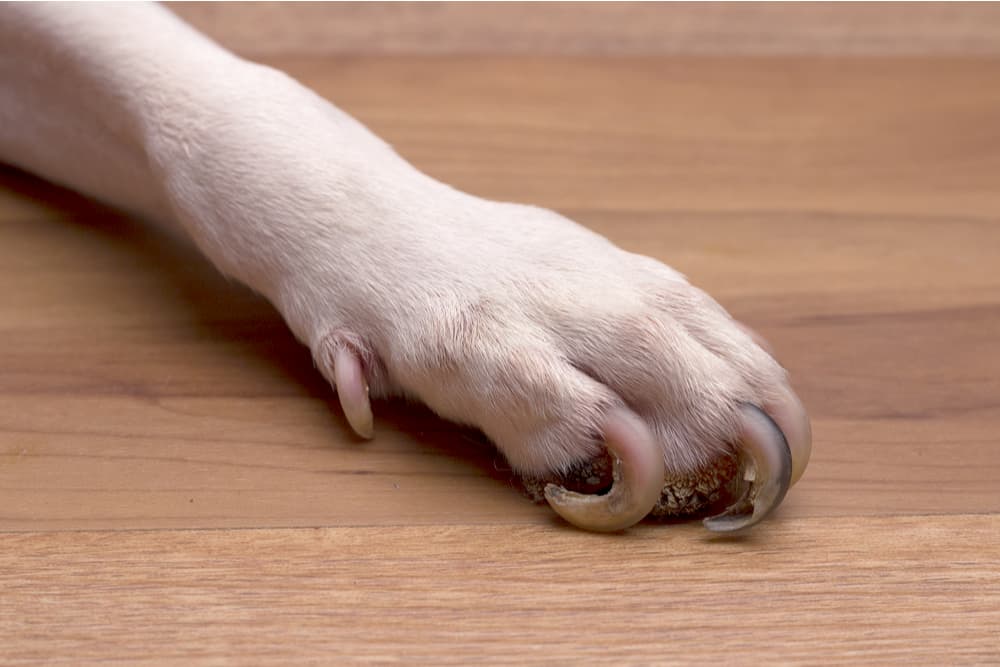
As a Professional Dog Groomer, I am often asked if I can take dogs nails shorter than I have done when trimming their nails. I explain that the reason I haven't taken them any shorter is because the quick is likely to bleed and when this happens it causes discomfort for the dog. I advise little and often is better as this will gradually reduce the length of the quick as the longer the nail the longer the quick will grow. In this blog owners can learn to understand the importance of keeping their dogs nails trimmed.

When it comes to the topic of dogs and their nail quicks, there is an interesting link between the length of a dog's nail and the length of its nail quicks. Nail quicks, also known as the quick or the “sensitive living tissue” at the base of a dog's nail, are responsible for supplying blood to the nail and providing nutrients to support nail growth. As a dog's nail grows longer, its nail quicks also tend to grow longer. This phenomenon can have several reasons and implications that are important to understand for the health and well-being of our furry friends.

As a Professional Dog Groomer, I am often asked if I can take dogs nails shorter than I have done when trimming their nails. I explain that the reason I haven't taken them any shorter is because the quick is likely to bleed and when this happens it causes discomfort for the dog. I advise little and often is better as this will gradually reduce the length of the quick as the longer the nail the longer the quick will grow.

The nail's length is that the quick needs to keep pace with the nail to provide proper nourishment and support. When a dog's nail grows longer, the quick must grow longer as well in order to reach the tip of the nail and continue to supply it with blood and nutrients. This ensures the nail remains healthy and strong, preventing it from becoming brittle, cracked, or prone to infections. In essence, the quick acts as a vital lifeline to the nail, ensuring its continued growth and maintenance.


Another reason for the correlation between a dog's nail length and the growth of its quicks is related to the dog's breed and genetics. Different breeds of dogs have varying rates of nail growth and quick length. Some breeds, such as those with thicker or faster-growing nails, may have correspondingly longer quicks to support their nail growth. Additionally, genetics play a role in determining the size and shape of a dog's nail quicks, which can influence how quickly they grow alongside the nail.

It is important for dog owners to pay attention to the length of their pet's nails and the growth of their quicks. Long nails can cause discomfort and pain for dogs, leading to issues such as reduced mobility, difficulty walking, and even potential injury. If a dog's nails are allowed to grow too long, the quicks may also become longer than desired, increasing the risk of accidentally cutting into the quick when trimming the nails. This can be painful for the dog and may result in bleeding and infection.

One of the key ways that regular walks help to keep a dog's nails in good condition is by naturally wearing them down. When a dog walks on hard surfaces such as concrete or pavement, the friction between their nails and the ground helps to slowly file them down. This natural process of wear and tear prevents the nails from becoming too long or sharp, which can be uncomfortable for the dog and potentially cause injury to themselves or their human family members.

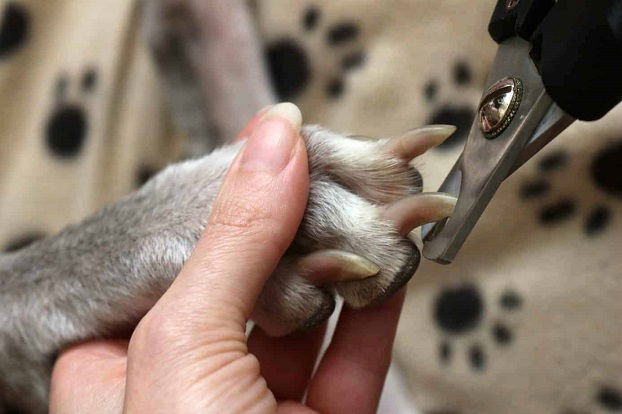
Regular nail trimming is essential to maintain the health and comfort of a dog's paws. By keeping the nails at an appropriate length, owners can help prevent the quicks from growing excessively long and maintain proper nail health. It is important to use appropriate tools and techniques when trimming a dog's nails to avoid cutting into the quick and causing injury. If unsure, seeking guidance from a professional groomer or veterinarian can help ensure a safe and successful nail trimming experience for both the dog and the owner.

Understanding the relationship between nail length and quick growth can help dog owners take proper care of their pet's nails and prevent potential issues. By maintaining regular nail trimming and monitoring the length of the quicks, owners can ensure the comfort and well-being of their furry companions.